 This post is part of “We’re All Laila” blogging day, which is a call to review values and prevalent ideas related to females, and how society enacts them with no consideration of their impact on women themselves. The call here is not to propagate a certain value or culture, but it is rather a call to criticize and review our own daily behavior, with a true desire to change and purify our attitudes in life from tendencies of oppression that we consciously –and unconsciously– enact to the weaker side in the society, rather than confronting its real causes. Therefore, participation is open and welcoming each and everyone, from Egypt and Arab countries, men and women, bloggers and simple citizens whom we will voice and share their experience on the internet. Everyone is absolutely free to express their opinions the way they like, as long as they believe in such opinions, and are fully responsible for them on personal basis, and are ready to defend these opinions against whatever attacks or counter-opinions that they may face; and even one should have readiness for change and being convinced if one’s opinion is proven wrong or incomplete.
Stockholm Syndrome
By Maha al-Faleh
I know that for those who know who I am, I would be judged for what I’m about to say. Others would see me as a spoiled girl who just want more. It’s true, I’ve been blessed with perfect parents, my father is a man who believes in women’s empowerment, and my brothers respect the strength of their sisters and embrace them. Basically, I have lived and was raised in a family who wouldn’t stop their girls from following their dreams.
Yet there is something missing here, and I cannot pretend that I’m ok with it. I’m the kind of girl who would always say at the end of a conversation, “hay come on, things ain’t that bad,” or would say, “well, we are lucky and blessed with many things and I’m just thankful.” I’ll be the girl who always try to be positive.
Maybe It’s true; things for Saudi women aren’t always as bad, especially when portrayed by the western media. I hate it when people act like we are waiting for the ultimate salvation, but as I start saying these words to myself, I wonder: have I been just numbing myself? And I start to realize that I might be suffering from what I think is Stockholm syndrome. For those who don’t know what ‘Stockholm syndrome’ is, it’s when a hostage shows signs of loyalty to the hostage-taker. I know I can be literally crucified by some for saying that my country is taking a hostage of me, but I think since I was lucky to be raised in an open-minded community, it might had stopped me from seeing what challenges other girls are facing.
I know this might sound a bit contradicting, because although I already identified what problems Saudi women face, I think we started to grow accustomed to our problems. We started trying to enjoy our lives, ignoring what’s happing to other women. We are making what used to annoy us a little bit more tolerable. I’m not saying that this is always wrong. In fact, it can be healthy sometimes, but our ways has no difference from those who suffer from Stockholm syndrome; we stopped seeing what’s wrong, we are not getting shocked anymore.
After I graduated from college, I started working in one of the biggest women philanthropic organizations in Riyadh. I started then to see a world different than mine and things came crushing down, seeing a large percentage of women here are suffering from poverty, abuse, and many many more tragic cultural issues. I started to become angry. What about those women? What will they do? And have they been suffering from the same syndrome as I am? Many of them are actually accepting such lives when they don’t know that they don’t have to. I know that in every society in the world we find a segment that suffers from such condition because of poverty and lack of education, and this is not a special case of Saudi Arabia, but that’s not an excuse for us young women to ignore.
I no longer work for this organization as I moved to another place. But I remember that on my last day at work, a girl came in, she was my age, apparently relatively poor, and her eyes were so filled with pain. She asked me if there was someone who can help her to get a job, but since it was late at night and no one was around I told her kindly to come tomorrow morning. She then started begging me for help. She said that her father is trying to force her into remarrying her ex-husband, an old man who used to beat her. She held my hand crying and said that she doesn’t want to marry that man. I ended up crying with that girl. I talked to one of the my superiors that night and I was able to provide some money for her that might help her. She told me she wasn’t here for the money and she wanted a job, so I told her that it will help her till she gets one. She wanted to talk, and as she later told me her story with details, I tried to comfort her and I encouraged her to speak with her father and tell him that no religion or logic accepts what he is doing; that she has the right to go the human rights society here in Riyadh.
Deep down inside I knew this girl won’t go to the human rights society, I knew she won’t revolt. I was so sad and felt helpless, I provided her with money and a shoulder to lean on for 30 minutes, but what about later, I asked my self, who will save this girl?
The girl called me two months later telling me that she has enrolled in nursing school, and that she is not going to marry this man. I don’t know if my words helped her, I don’t know if the money actually helped her. All I know is that this girl felt better just expressing her frustration. Were my words of any help at all? I’ll never know. All I know that she is not marrying this man and she might get control over her life.
This girl was my age, she was living a life totally different from mine, she had no control over her life, while to an extent I did with mine, but I think when we both met, our worlds crashed together, and all things that we both took for granted, all the numbed feelings inside were awaken, I felt that my lucky life shouldn’t stop me from seeing what other women are facing.
My message here is not to my country, and not to the government because their role should be in another chapter, but to the girls and women of my country: get off your high horse, look around you, speak up! Most of the oppression is not made by our country, it’s made by our silence, by our lack of interest, or sometimes because we are too oblivious to our surroundings. Look out for each other, help those who didn’t have the chance to speak, give them hope and guidance, we should stop expecting our county to make decisions for us.
I salute all brave women who regularly go to the poor areas in my city such as Ghobera and Faisalya and many more around the country. Those who reach out for oppressed women, call for their right, educate them. Those who would spare their money and leisure time just to help unprivileged women get on their feet. These women taught me a lot, they know who they are, and never ask for any credit because they are the true Saudi women who shook off their own Stockholm syndrome.
Maha al-Faleh is a talented, hard-working young Saudi woman. We met last year during my trip to the US, and I was very impressed by her intelligence, courage and determination. When I asked her to contribute to Saudi Jeans on this special day, she generously agreed and wrote this beautiful post. In other words, she rocks, and that’s all you need to know :-)
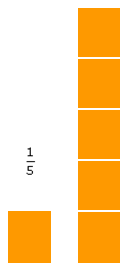 Some young people from Qatif have published an open letter to Shia religious leaders, calling for a reform in management of Khums. According to Shia Islamic legal terminology, Khums means “one-fifth of certain items which a person acquires as wealth, and which must be paid as an Islamic tax.”
 Saudi Jeans
You must be logged in to post a comment.